


organic september
True Food will be embracing the Soil Association’s ‘Organic September’ initiative. This campaign aims to raise awareness of the incredible benefits organic farming can bring for our climate, nature and our health.
Organic farming works with nature, rather than against it – including using no artificial pesticides or fertilisers. Organic food is a positive step we can take to increase the sustainability of food production, improve animal welfare and protect the environment.
what’s on
easy organic swaps to try
This Organic September think about which foods you could get the most benefit from by swapping to organic.
Science shows that organic foods can have more nutritional value and tend to have lower levels of pesticides than non-organic equivalents. However, it can be overwhelming to try and switch entirely to organics, so why not try these simple swaps to get you started in the areas that will have the greatest impact.
Drink organic milk
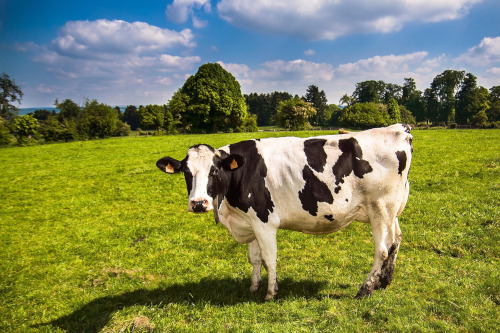
Organic milk comes from cows raised to higher welfare standards, with a grass-based diet and no routine antibiotics. Studies have shown that there is a clear difference between organic and conventional milk, with organic milk having a higher concentration of certain essential minerals, vitamins and antioxidants such as Omega-3s.
Start the day with an organic breakfast
An organic swap at breakfast can significantly reduce your pesticide exposure for the day. Non-organic breakfast items including oats, wheat and bread commonly contain glyphosate residues as the crops are often sprayed with glyphosate before harvesting to dry them out to make it easier to harvest. Glyphosate is an artificial herbicide which is banned in organic farming as it has been linked to health issues in humans.
If you like to, “go to work on an egg” then consider an organic swap. Organic eggs are the best choice for shoppers who are keen to support farming that cares for farm animals and the environment. They also have higher levels of Omega 3, making them a healthier choice.
Swap the fruit and veg you eat most often to organic
Organic growing methods make fruit and vegetables nutritionally different; studies have shown organic produce has up to 30-40% more polyphenols than non-organic (Baranski et al 2014) and up to 69% more antioxidants (Rahman et al 2024).
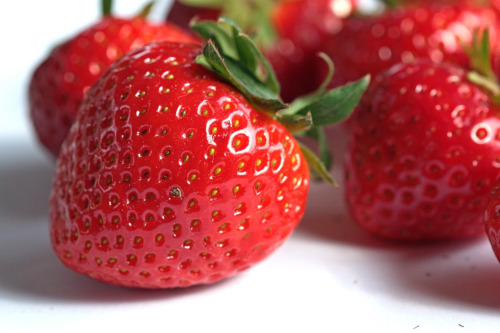
Every year PAN UK (The Pesticide Action Network) publishes a list of the “dirty dozen”, that shows where multiple pesticide residues remain on non-organic fruit and vegetables. The most recent list ranked grapefruit, grapes, limes, bananas, and sweet peppers as the five most heavily contaminated. Grapes are one of the worst offenders with one single sample containing residues of 16 different pesticides.
good news
Organic farming proven to deliver for nature
A review, carried out by the Organic Research Centre (ORC) for the Department for Environment, Food and Rural Affairs (Defra), analysed more than 300 scientific studies alongside farm data to assess how organic farming performs against the government’s environmental goals.
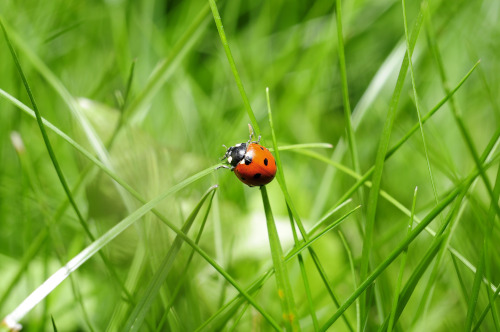
The results are encouraging. Organic farming was found to consistently deliver benefits for wildlife, healthy soils, and reduced pesticide use. The report also found that organic farms can help improve water quality and build resilience to climate change through healthy, living soils and more diverse farming systems.
The review also looked at other farm assurance schemes and found that while these schemes promote many positive environmental practices, there is currently less evidence to show that they consistently achieve the same measurable results on farms.
While the researchers say more work is needed to fully understand the impact of organic farming on greenhouse gas emissions and air quality, the overall picture is clear: organic farming has the strongest evidence of delivering positive environmental outcomes.
Organic farming in the UK continues to grow
There’s more good news for organic farming. New government figures show that the amount of land farmed organically in the UK has reached its highest level in more than a decade.
In 2025, organic farmland increased by 7.3%, covering around 540,000 hectares. Much of this growth has come from Scotland, where the amount of land being converted to organic farming has more than doubled in just one year.
So, what’s behind the increase? Farmers are responding to rising fertiliser costs and the need for farming methods that are better able to cope with extreme weather. Organic farming focuses on building healthy soils, encouraging wildlife, and working with natural systems, making farms more resilient in a changing climate.
Consumer demand is playing an important role too. Organic food sales have now grown for 14 consecutive years, giving more farmers the confidence to go organic.
Every time you choose organic, you’re helping to support this positive change. Your purchases encourage farming that nurtures nature, protects biodiversity, and produces food in a way that benefits both people and the planet. Together, those choices are helping organic farming continue to flourish across the UK.
